

The Event Planning Process
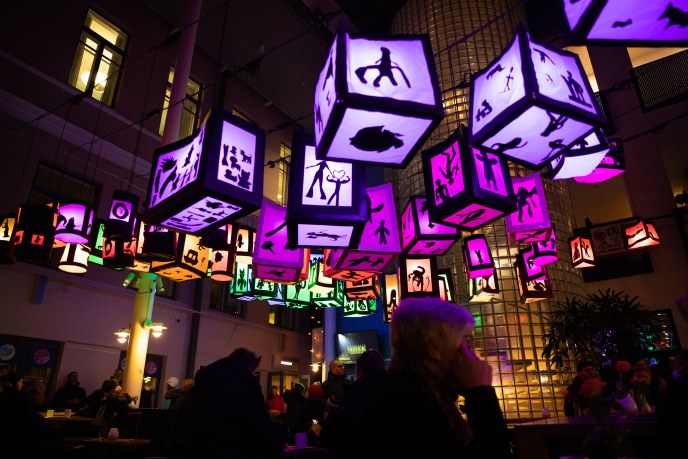
This page guides you through the key stages of planning an event, from preparation and delivery to wrap-up and evaluation. You'll find practical tips to help define your event's goals and audience, and support for each step along the way.
Things to Consider Before Beginning Event Production
- Why am I organizing the event?
(Goals, purpose, who benefits and how value is created) - Who is the event for?
(Target audience, accessibility, participants' needs) - Where will the event take place?
(Location, accessibility, suitability for the nature of the event) - How will the event be organized?
(Schedule, resources, partners and collaborators) - How will the event be funded?
(Budget, production support, ticket sales, other funding sources)
Phase 1: Planning and Preparation
Event Concept, Theme and Target Audience
- Define the concept, theme, and name of your event. Consider what kind of image you want to convey, as this will help guide your content and visual decisions.
- Clearly identify your target audience: who is the event for, and who do you want to reach?
- Check if there are other events happening in the area at the same time. Use the Oulu Event Calendar to avoid scheduling conflicts.
- If you prefer to outsource the event planning, you can hire an event producer. You'll find producers on our Subcontracting Services page.
Date and Venue
- Decide the date and duration of your event.
- Ensure the venue is appropriately sized and easily accessible.
- Consider accessibility needs.
- Make sure to arrange inspections with the lessor or permit issuer both before and after the event.
- More details are available on our Venues page.
Budget and Monitoring Expenses
- Define the budget and sources of funding.
- Check for any conditions set by funders.
- Prepare for possible budget overruns and unexpected expenses.
- Find more tips on our Funding page.
Programme and Performers
- Create the programme and book performers well in advance.
- Organize side programmes and a host, if needed.
- You can find performers through booking agencies listed on our Subcontracting Services page.
Permits, Notifications and Insurance
- Take care of all necessary permits and notifications before the event.
- Ensure that all required insurance policies are in place.
- Read more on our Permits and Notifications page.
Project Timeline
- Create a schedule for planning and implementing the event.
- Confirm important dates, such as booking confirmations and permit deadlines.
- Read more on our Permits and Notifications page.
Allocate Resources Clearly
- Consider the skills and personnel your event requires.
- Define necessary roles, responsibilities, and workloads (e.g., management, communications, coordination).
- Ensure that work time and tasks are planned out and scheduled realistically.
- Don't forget volunteers and their training.
- Identify which tasks can be outsourced or carried out with partners.
- Find suitable collaborators for different parts of the event.
- Visit our Subcontracting Services page for producers, performers, and other event professionals.
Transport, Parking and Traffic Control
- Check how to access the event venue.
- Ensure there are sufficient parking spaces and clarify any fees.
- Arrange traffic control if needed and provide vests for the controllers.
- You can find transport service providers on our Subcontracting Services page.
Phase 2: Execution
Technology, Decoration and Furnishings
- Plan the necessary event technology.
- Choose decorations and furnishings that fit the theme (e.g., tables, chairs).
- Schedule the setup and takedown work.
- You can find event technology professionals on our Subcontracting Services page.
Safety
- Prepare a rescue and safety plan if needed.
- Appoint a safety manager and security personnel.
- Set up a first aid point and ensure sufficient emergency exits.
- Read more tips on our Safety page.
- Remember that event safety is the organizer's responsibility.
Marketing and Communication
- Define where and how to reach your target audience.
- Prepare press releases and schedule their publication.
- Utilize various media channels before, during, and after the event.
- Create a visual identity and design printed materials.
- Plan the documentation of the event (photos, videos). Visual material supports post-event communication and can help market future events.
- Photography and videography professionals can be found on our Subcontracting Services page.
- You can add your event to the Oulu Event Calendar.
- Read more on our Communication and Marketing page.
Tickets and Invitations
- Decide if tickets will be sold for the event. Consider how and where the tickets can be purchased.
- Ensure available payment methods (e.g., cash, card).
- Plan for possible VIP tickets and invitations.
- You can outsource ticket sales to providers listed on our Subcontracting Services page.
Staff
- Define the necessary staff and their roles.
- Make staff easily identifiable (e.g., name tags, clothing).
- Take care of fees, meals, and breaks.
- Event staffing providers can be found on our Subcontracting Services page.
Services, Cleaning and Waste Management
Ensure smooth event operations through practical arrangements:
- Organize catering and beverages yourself or outsource them. You can find catering and banquet service providers on our Subcontracting Services page.
- Ensure proper waste management and cleaning, as well as enough handwashing stations, toilets, and bins relative to the expected number of visitors.
- Waste management providers can be found via Oulu city's Urban and Environmental Services pages.
- Agree on responsibilities and schedule for cleaning in advance, to be handled after the event ends.
Phase 3: Wrap-Up and Evaluation
Follow-Up Tasks
- Dismantle and pack down the event properly.
- Arrange and take care of cleaning and waste management.
Post-event marketing:
- Share materials after the event, for example, on social media.
- Archive images and materials to support the marketing of future events.
Collecting and Utilizing Feedback
- Collect feedback from participants, for example, through a survey form.
- Analyze the feedback and use it to improve your next event.
- Online, you can find various templates for creating visitor surveys. Surveys are an effective way to gather feedback on your event.