

Reading Support Letters for Guardians grades
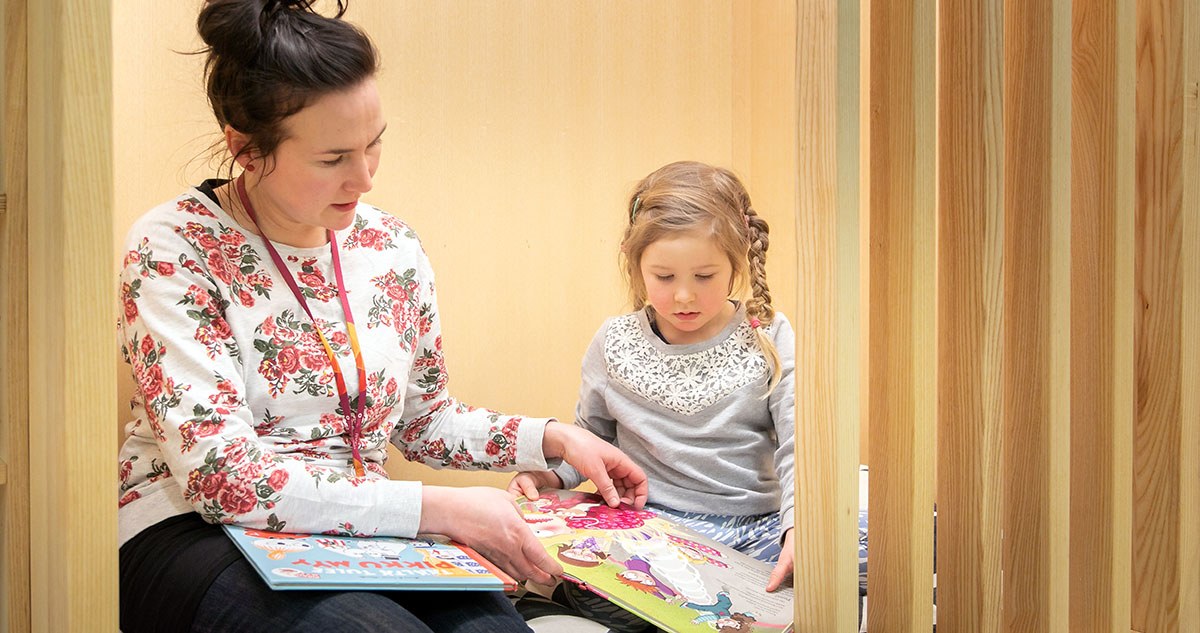
A team of development teachers in Oulu have developed Reading Support Letters for Guardians together with the Oulu School Libraries and Central Library. Separate letters are prepared for primary school and middle school children. The letters support literacy work in homes. They include researched information about the benefits of reading, tips for developing reading skills in homes and links to new books for the youth. Reading Support Letters for Guardians are published twice per semester and they are delivered through Wilma. The first letters are published on the Library Route webpage.
We, the city of Oulu’s team of development and tutor teachers, the Oulu School Libraries and the Oulu Central Library, wish that you are inspired to read during the spring and summer.
Further information, feedback and wishes about the Reading Support Letters: Tanja Salo, Development Teacher (reading encouragement), tanja.salo@ouka.fi
Supporting reading at home - Lukupostia newsletter about reading to gr. 1–6 guardians
Children's reading skills have been a hot topic lately. According to research, strong and versatile reading skills are linked to empathy, self-expression, and success in studies, among other things. But how can we inspire children to get excited about stories and reading?
Lukupostia newsletter, which is published twice a year and which you are currently reading, responds to this challenge by providing factual information, practical tips, and book recommendations to support literacy skills. The theme of this letter is supporting reading at home.
1. Why read? – Recognize the benefits of reading
- helps to understand and structure information
- increases creative thinking skills
- supports interaction skills
- at its best, is an enjoyable family activity
2. How to read? – Invest in a positive reading environment
Research on the example of guardians’ reading habits
- A positive reading model of caregivers is linked to children's cognitive development, problem-solving skills, and language skills.
- Role models for reading: fathers have a stronger influence on boys' reading, mothers on girls'.
- Children whose parents read are three times more likely to read books later in life.
Make time for reading
- Reading aloud together is important even after the child has learned to read on their own. (For example, an adult can first read a book aloud and leave it at a suspenseful point. Then it's the child's turn.) -> Children who have been read to aloud until the age of 13 perform best in PISA studies.
- To encourage your child to read, visit libraries, and talk about books (e.g. family's own reading club in a peaceful setting while enjoying snacks) is important.
- It is worth supporting children to participate in the Oulu City Library Reading diploma. There also are a bilingual version of it called OIS Reading diploma.
- Tip! You can add the number of books read and listened to each month to the Lukevin kaupunni campaign's reading encounter called Reading Counter. There are great prizes to be raffled throughout the year.
Don't give up, even if reading is challenging
- Just 5 minutes of regular reading makes a difference. Make reading a daily habit!
- It is important to choose books that interest your child and are suitable for their skill level. Comics, magazines, and nonfiction books (such as WSOY's Tietopalat series) are good examples of diverse options.
- If reading is challenging, a self-help program (in Finnish) called Lasten lukemisen ja kirjoittamisen vaikeuksien omahoito-ohjelma might help. The service is online and both free and anonymous to use.
- Oulu City Library's literature diploma is also available in a simplified version called Selkis-diplomi, which is suitable for less experienced readers. There also is a separate diploma for students studying Finnish as a second language: S2-diplomi.
3. What to read? - Borrow children's books to take home
- It is a good idea for children to have their own library card. They will also need it for the school library. Library cards are available from Oulu libraries or the Mobile libraries, and you can find the Library card application form here.
- OIS Reading Diploma book lists consist of book recommendations in both English and Finnish.
- Book recommendations in 16 different languages, such as Ukrainian, Arabic, Chinese and Thai, can be found from Monikielinen kirjasto.
The Lukupostia newsletter is published twice per school year. The next letter will be sent out in spring 2026. Feedback and wishes regarding the newsletter can be sent to Tanja Salo, Advisory teacher in supporting reading and literacy (tanja.salo@ouka.fi).
Wishing you enjoyable reading moments, Oulu City advisory teachers’ team, Oulu School library, and City Library staff
Sources:
- Heikkilä, Riie (2024): Miksi lakkasimme lukemasta? Sosiologinen tulkinta lukemisen muutoksesta. Gaudeamus.
- Lukukeskus: Miksi lukeminen kannattaa? – 10 faktaa lukemisesta. Lukukeskus – Läscentrum. Youtube.com,13.5.2017.
- Lukukeskus - Läscentrum: Vanhempainiltavideo esi- ja alkuopetukseen. Lue lapselle -hanke. Youtube.com, 6.2.2024.
Connection between reading and well-being - Lukupostia newsletter about reading to gr. 7 – 9 guardians
The reading skills of young people have been a hot topic of discussion lately. According to studies, strong and versatile reading skills are linked to, among other things, young people's self-expression, success in studies, and well-being. But how can we inspire today's young people to get excited about reading?
The Lukupostia newsletter, which you are currently reading, is published twice a year and responds to this challenge by providing factual information, practical tips, and book recommendations to support reading at home.
1. Why read? – Recognize the benefits of reading
- relieves stress
- supports concentration skills
- develops interaction skills
- provides support, e.g. in the midst of grief or major life changes
- supports the formation of one's own identity
2. How to read? – Invest in a positive reading environment
Research on the example of guardians’ reading habits
- A positive reading model among caregivers is linked to children's cognitive development, problem-solving skills, and language skills.
- A positive attitude towards reading at home also increases the amount of reading among middle schoolers.
- Role models of reading: fathers have a stronger influence on boys' reading, mothers on girls'.
- Children whose parents read are three times more likely to read books later in life.
Suitable book choices
- It is important to choose books that interest your youngster. Local libraries are full of interesting books in various genres, such as crime, fantasy, and thrillers. There is also a wide selection of literature linked to rainbow themes. Library staff are happy to help with choices.
- Comic books and Easy-Finnish (selkosuomi) books may appeal to young people who do not yet feel comfortable with reading.
- When reading is challenging, it is worth trying audiobook versions alongside physical books.
Regularity and reading campaigns
- The only way to learn to read is by reading. Even 5–10 minutes a day, for example, a pleasant and relaxing reading session with the whole family, will help with the progress.
- Various reading challenges can inspire teenagers to read. Reading challenges can be found on social media and, for example, on the Lukevin kaupunni website: Challenges and Tips I Lukevin kaupunni.
- It is a good idea to register the number of books read and listened to each month in the Lukevin kaupunni campaign's reading encounter called Reading Counter Prizes will be raffled among the participants.
- The nationwide Lukuboost campaing is starting again. Lukuboost encourages 13–25-year-olds to read with the help of social media influencers. During the campaign, prizes will be raffled and reading recommendations that interest young people shared.
3. What to read? - Borrow young people’s books to take home
- It is a good idea for children to have their own library card. They will also need it for the school library. Library cards are available from Oulu libraries or the Mobile libraries, and you can find the Library card application form here.
- OIS Reading Diploma book lists consist of book recommendations in both English and Finnish.
- Book recommendations in 16 different languages, such as Ukrainian, Arabic, Chinese and Thai, can be found from Monikielinen kirjasto.
- Books for young people in easy-Finnish (selkosuomi) can be found from here.
The Lukupostia newsletter is published twice per school year. The next letter will be sent out in spring 2026. Feedback and wishes regarding the letter can be sent to Tanja Salo, Advisory teacher in supporting reading and literacy (tanja.salo@ouka.fi).
Wishing you enjoyable reading moments, Oulu City advisory teachers’ team, Oulu School library, and City Library staff
Sources:
- Heikkilä, Riie (2024): Miksi lakkasimme lukemasta? Sosiologinen tulkinta lukemisen muutoksesta. Gaudeamus.
- Lukukeskus: Miksi lukeminen kannattaa? – 10 faktaa lukemisesta. Lukukeskus – Läscentrum. Youtube.com,13.5.2017.
- Lukukeskus - Läscentrum: Vanhempainiltavideo esi- ja alkuopetukseen. Lue lapselle -hanke. Youtube.com, 6.2.2024.